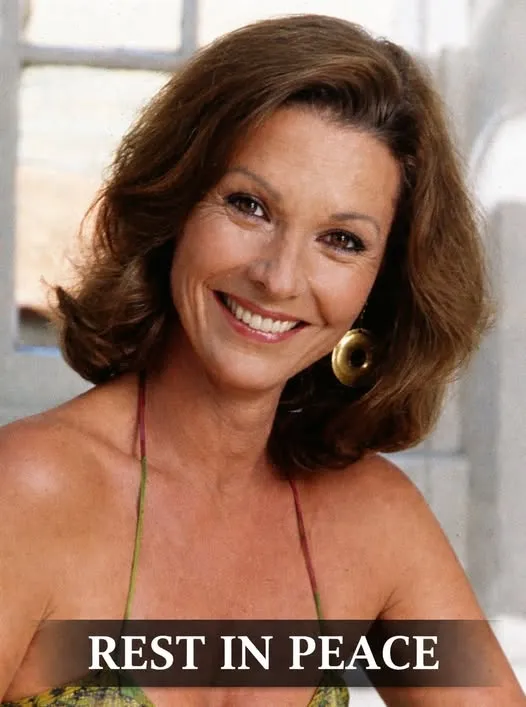
The artistic path of Pamela Salem was defined by a multicultural perspective that began long before she reached the spotlight of British entertainment. Born in India in 1944, she was raised in a culturally rich environment that instilled in her a profound fascination with storytelling and the arts from a very young age. This early influence eventually led her across the globe to the University of Heidelberg in Germany and finally to the Central School of Drama in London. This intellectual and academic foundation allowed her to approach her craft with a rare depth, blending literature and philosophy with the technical skills needed to connect with diverse audiences.
Before she became a staple of film and television, she built her reputation in the demanding world of repertory theater in Chesterfield and York. It was on these stages that she mastered the discipline of live performance, tackling everything from Shakespearean classics to contemporary dramas. This formative period served as her training ground, allowing her to cultivate the emotional range and versatility that would define her sixty-year career. The theater ingrained in her a sense of professionalism and empathy, traits that made her not only a compelling storyteller but also a deeply respected colleague within the acting community.
Her transition to the screen saw her become a household name through a series of iconic breakthroughs in both soap opera and science fiction. She is remembered vividly for her time on EastEnders, where she navigated complex dramatic arcs, and her contributions to the legendary series Doctor Who. However, her reach extended far beyond the small screen; in 1983, she secured her place in cinematic history with her role in the James Bond classic Never Say Never Again. Performing alongside legends like Sean Connery, she demonstrated an ability to hold her own in high-stakes, star-studded environments, proving that her talent knew no boundaries of genre or scale.
At the age of 80, her passing leaves behind a legacy that is measured as much by her mentorship as by her filmography. Throughout her life, she was known as a nurturing presence who advocated for community and collaboration, frequently guiding younger actors as they navigated the complexities of the industry. Her journey—from a young girl in India to a celebrated icon of British television and film—stands as a testament to the power of dedication and kindness. While the industry mourns her loss, her influence continues to live on through the generations of artists she inspired and the timeless performances that remain cherished by fans worldwide.