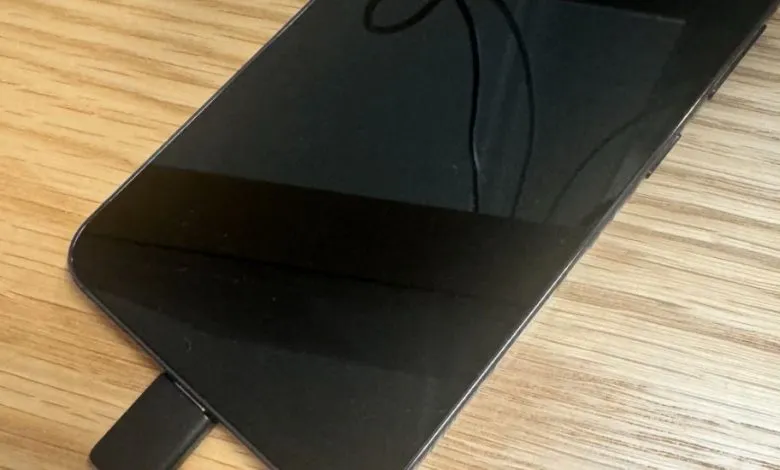
Like most people with a busy schedule, I used to leave my phone chargers plugged into the wall 24/7, assuming that if no device was attached, no harm was being done. That changed when my electrician gave me a blunt warning: “Small device, big risk.” He explained that even idle chargers draw a small electrical current, and if a charger is poor-quality or internally damaged, it can easily overheat. Finding out that a charger tucked behind my sofa or under a pillow could potentially spark a fire or melt its own components was the wake-up call I needed to stop prioritizing convenience over my home’s safety.
Beyond the safety concerns, I was shocked to learn about “vampire power,” the phantom energy load that drains electricity even when a charger is sitting idle. My electrician pointed out that while one single charger might not seem like a significant drain, the cumulative effect of multiple chargers plugged in across the house can account for nearly 10% of a home’s total electricity use. Since I started making a conscious effort to unplug, I’ve felt much better knowing I’m not just throwing money away on my monthly bill, but also doing a small part to reduce unnecessary energy waste.
I also didn’t realize that leaving a charger plugged in constantly significantly shortens its lifespan and can even endanger my expensive phone. The internal circuits are working non-stop as long as they are connected to the outlet, which leads to internal wear and tear and unstable voltage over time. My electrician warned that a damaged charger can send an unpredictable power surge into a phone’s delicate motherboard or battery, causing damage that is far more expensive to fix than a simple wall adapter. If my charger feels warm even when it’s not charging anything, I now know that’s a major red flag that the components are failing.
To make this new habit easier, I’ve reorganized my home with power strips and a dedicated charging station so I can cut the power to multiple devices with a single switch. It’s a minor adjustment to my daily routine, but the peace of mind it provides is worth the extra few seconds it takes to reach for the plug. I honestly wish I had listened to this advice sooner, as protecting my home and my electronics from phantom loads is one of the easiest ways to save money and stay safe. It’s a definitive reminder that small habits really do have a big impact on our safety and our wallets.