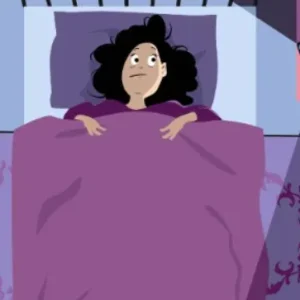
Exhausted, you finally lie down and start drifting into a deep sleep when suddenly your body feels like it’s falling, jolting you awake in an instant. This startling twitch, known as a hypnic jerk, can leave you wondering why it happened. No matter how often it occurs, it never feels less sudden or more predictable, often causing an instinctive, sharp flinch.
If you’ve experienced this even once, you’re not alone—up to 70% of people experience hypnic jerks, also called sleep starts. The exact cause remains unknown, but scientists have a couple of leading theories. One suggests that hypnic jerks happen as your nervous system naturally slows down when falling asleep. As your breathing, heart rate, and body temperature drop, variations in muscle tone can trigger these sudden twitches. Another theory proposes that rapid muscle relaxation during this transition is interpreted by the brain as falling, prompting a protective muscle contraction.
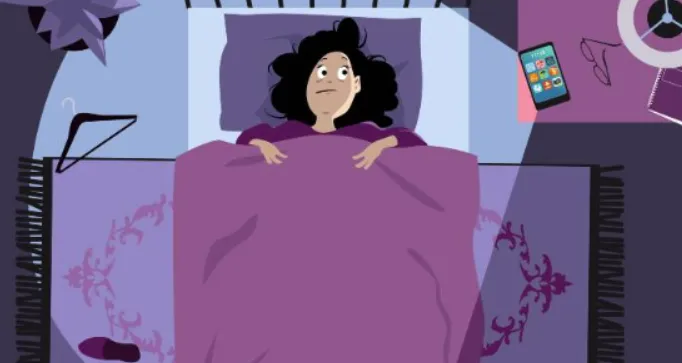
External factors may also play a role, including caffeine, nicotine, sleep deprivation, and certain medications like Adderall or Ritalin.
[the_ad id=”12986″]
Are hypnic jerks dangerous or unusual? Not at all. These sudden, involuntary movements are a normal part of falling asleep. While some may feel like a jolt or the sensation of falling, “It’s a signal to the body to go into sleep mode. It’s not a disorder—it’s a natural phenomenon,” explains Dr. Rustgi.
Although generally harmless, hypnic jerks can occasionally disrupt sleep. While there’s no medical treatment required, certain lifestyle adjustments may help reduce their occurrence:
Limit caffeine intake, especially in the afternoon and evening.
Avoid vigorous exercise late in the day; instead, focus on calming activities and relaxation exercises before bed.
Practice breathing or relaxation exercises before sleep.
Maintain healthy sleep habits, such as going to bed consistently and turning off screens at least an hour before sleeping.
Find ways to reduce stress throughout the day.
By making these adjustments, you can minimize the likelihood of hypnic jerks and enjoy a more peaceful transition into sleep.