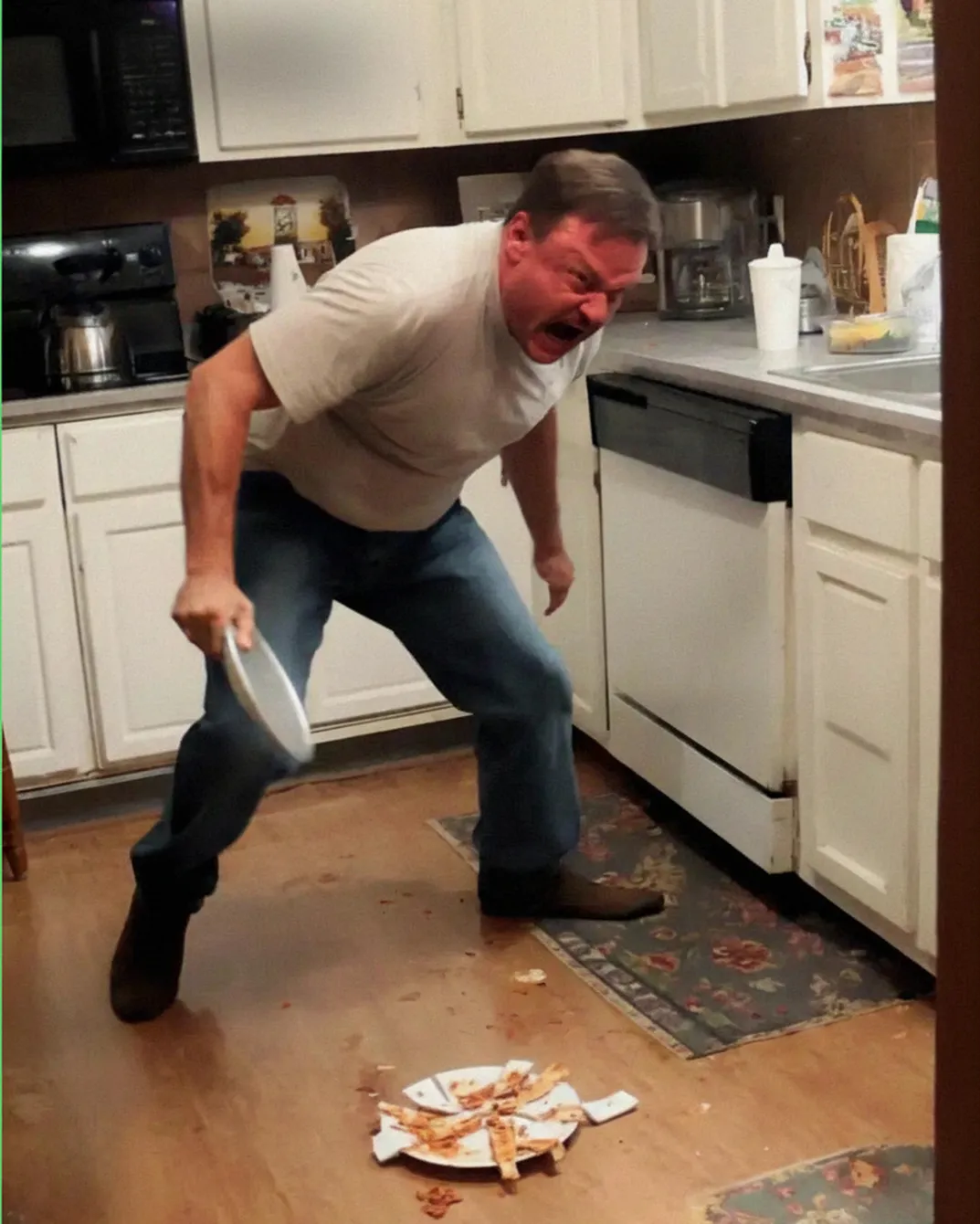
When my stepfather, Raymond, married my mother, I hoped he would bring warmth back into her world after my father’s passing. At first, he was everything she needed — attentive, charming, helpful. But slowly, small criticisms replaced kindness. He began to control her routines, especially around meals. Leftovers, once our family’s comfort food, became “unacceptable” in his eyes. One evening, when Mom wasn’t feeling well and reheated yesterday’s lasagna, he called it “garbage” and tossed it into the sink. Watching her shrink into silence, apologizing for being tired, stirred something fierce in me.
I decided to stay for a few days. Each evening, I cooked — or so Raymond believed. In reality, I repurposed leftovers with a bit of creativity: roasted chicken became creamy pasta; yesterday’s vegetables transformed into a hearty stew. Each night, he praised the “freshness” of the food, oblivious to the quiet irony simmering on his plate. On the final night, as he raved about the “best lasagna he’d ever tasted,” I smiled and said softly, “It’s the same one you threw out.” His face fell. The room went silent except for the sound of my mother’s quiet breath — a mix of shock, then realization.
After dinner, I took Mom out for a meal she didn’t have to earn — a simple dinner at a cozy café. Over steaming bowls of pasta, she admitted she’d been trying so hard to please him that she’d forgotten her own peace mattered too. I told her love should feel like nourishment, not obligation. That night, she laughed for the first time in months, the tension finally beginning to slip away from her shoulders.
Weeks later, she called, her voice light again. “Guess what I’m having for dinner?” she said, and before I could answer, she added with pride, “Leftover lasagna.” That moment was more than a meal — it was freedom served warm. In the end, it wasn’t just Raymond who learned a lesson about gratitude; it was my mother who remembered that appreciation begins with herself.