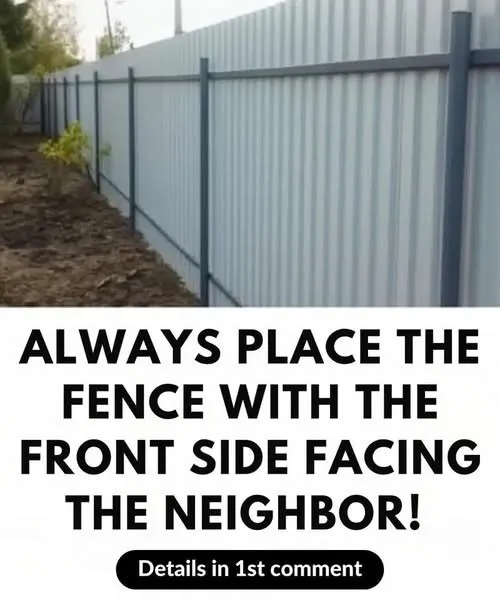
Installing a perimeter fence is usually seen as a simple way to establish boundaries and keep families safe. However, there is an unwritten rule of domestic diplomacy that suggests the finished side of a fence should always face your neighbor. The structural supports and rails should remain facing your own home. While this might seem like you are giving away the best view, it is actually a highly strategic decision. This simple practice helps maintain social harmony within your neighborhood while protecting your financial investment. Presenting the polished side outward sends a clear message of respect to the people living next door.
Beyond basic politeness, there are strict legal reasons to face your fence outward. Many local building departments and neighborhood associations have turned this friendly gesture into a mandatory requirement. These rules are carefully designed to maintain a consistent visual standard throughout the community and prevent disputes between property owners. Installing a fence with the structural side facing the street or a neighbor is often considered a direct violation of local building codes. Homeowners who ignore these regulations can face severe daily fines or receive legal orders to dismantle and rebuild the entire structure at their own expense.
Your property value also benefits significantly from a properly oriented fence. The exterior of your house is the first thing people notice, and an outward facing fence greatly improves your overall curb appeal. It creates a welcoming appearance that suggests the property is meticulously maintained and professionally designed. Conversely, exposing the structural skeleton of your fence to the street makes the home look unfinished and neglected. When it comes time to sell your property, a beautiful boundary becomes a major selling point for prospective buyers who want a home completely free of neighborhood conflicts.
Planning a successful fence project requires a few proactive steps to ensure everything goes smoothly. You should always start by investigating local zoning laws to confirm all height and orientation restrictions in your area. Having a friendly conversation with your neighbor before construction begins is also a wonderful way to prevent future friction. You might even discuss building a double sided fence that looks perfectly finished from both yards. Remember that every fence requires regular maintenance like sealing and repairs to keep it looking beautiful. Building your fence with respect for others proves that true boundaries do not have to become social barriers.