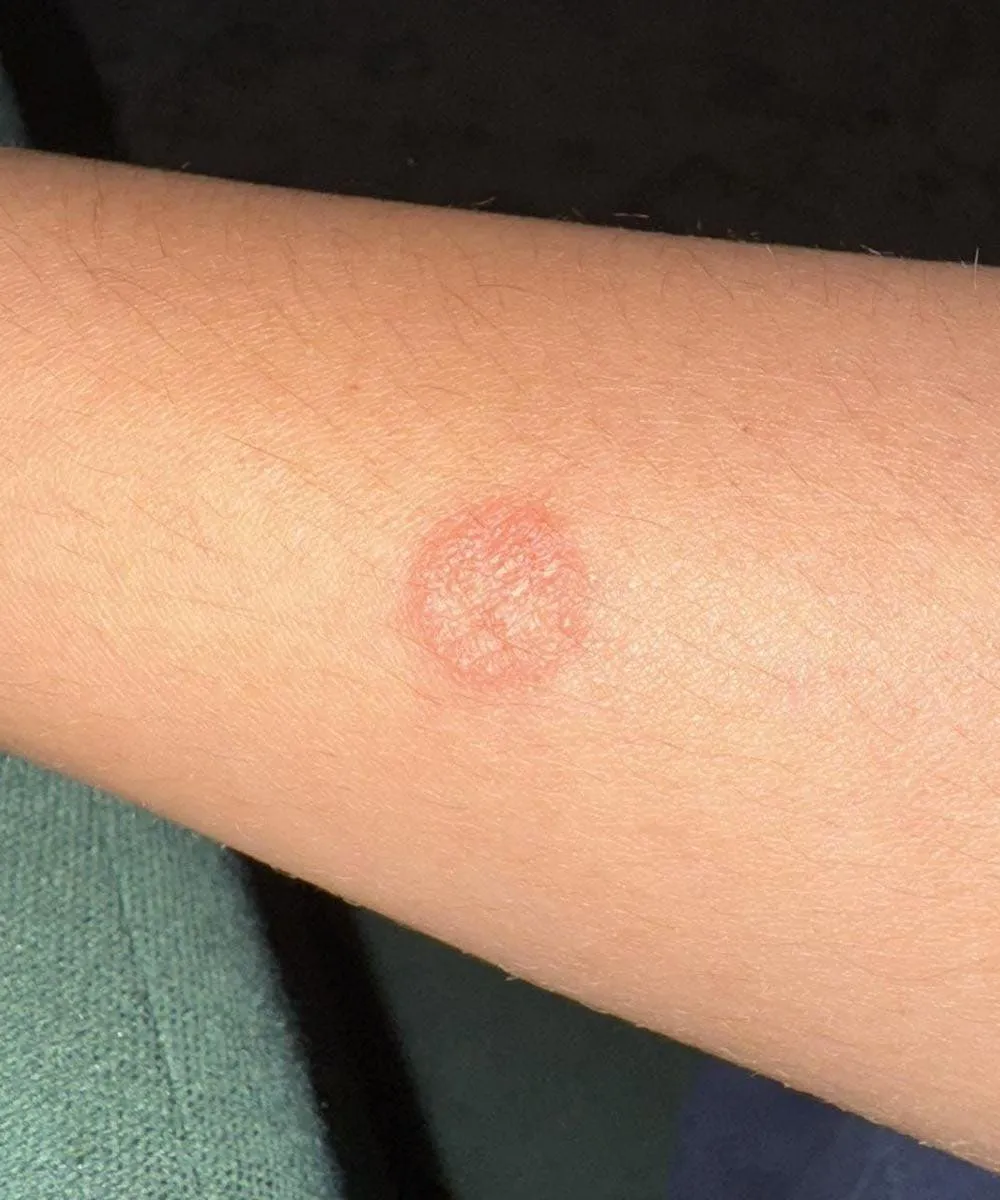
Ringworm, despite its misleading name, is a highly contagious fungal infection rather than a parasitic one, characterized by red, itchy, circular patches on the skin. This fungus thrives in warm, moist environments, making those in humid climates or athletes particularly susceptible. Because it spreads through direct contact or shared surfaces, understanding its nature is the first step in prevention. While not life-threatening, it can be incredibly stubborn to eliminate once it takes hold, requiring a proactive approach to hygiene to keep the skin’s biological barrier intact and resilient.
The primary defense against fungal growth is maintaining absolute skin aridity, particularly in areas like the underarms, groin, and between the toes where sweat naturally accumulates. Utilizing breathable fabrics like cotton can prevent moisture build-up, while drying skin folds thoroughly after showering is essential for neutralizing the fungus’s preferred habitat. Furthermore, because fungal spores are resilient enough to survive on fabrics for days, it is crucial to wash linens and towels frequently in hot water. Whenever possible, drying laundry in direct sunlight provides an extra layer of natural disinfection, ensuring that lingering spores are destroyed before they can re-infect the skin.
Household pets, especially cats and dogs, are often silent carriers of ringworm and can transfer the infection through close skin contact or shared bedding. Owners should regularly inspect their pets for scaly spots or patches of missing fur and maintain strict handwashing habits after grooming or play. A common but dangerous mistake is treating a suspected ringworm rash with over-the-counter steroid creams; while these may temporarily soothe itching, they actually suppress the skin’s local immunity and allow the fungus to burrow deeper. Instead, one should opt for dedicated antifungal treatments containing clotrimazole or terbinafine to ensure the infection is properly eradicated.
Ultimately, healthy skin starts from within, and a robust immune system is the most effective tool for fighting off fungal invasions before they become visible. Maintaining a balanced diet rich in probiotics and antioxidants, alongside consistent hydration and adequate restorative sleep, allows the body to repair its natural defenses every night. Chronic stress can also compromise skin health, making the body more vulnerable to infections that would otherwise be neutralized. By combining these internal health measures with external hygiene, you can create a systemic environment where fungi cannot survive, proving that consistent, simple care is far more effective than expensive, reactive treatments.